
How Cavities Form
June 17, 2026
Maintaining a healthy smile requires a basic understanding of how common dental issues develop. Cavities, also known as tooth decay, are permanently damaged areas in the hard surface of your teeth that develop into tiny openings or holes. While many people associate cavities solely with eating too much sugar, the actual process involves a continuous interaction between bacteria, dietary habits, and your natural tooth structure. Recognizing how this process unfolds can help you take proactive steps to protect your smile between regular dental visits.
The Role of Plaque and Bacteria
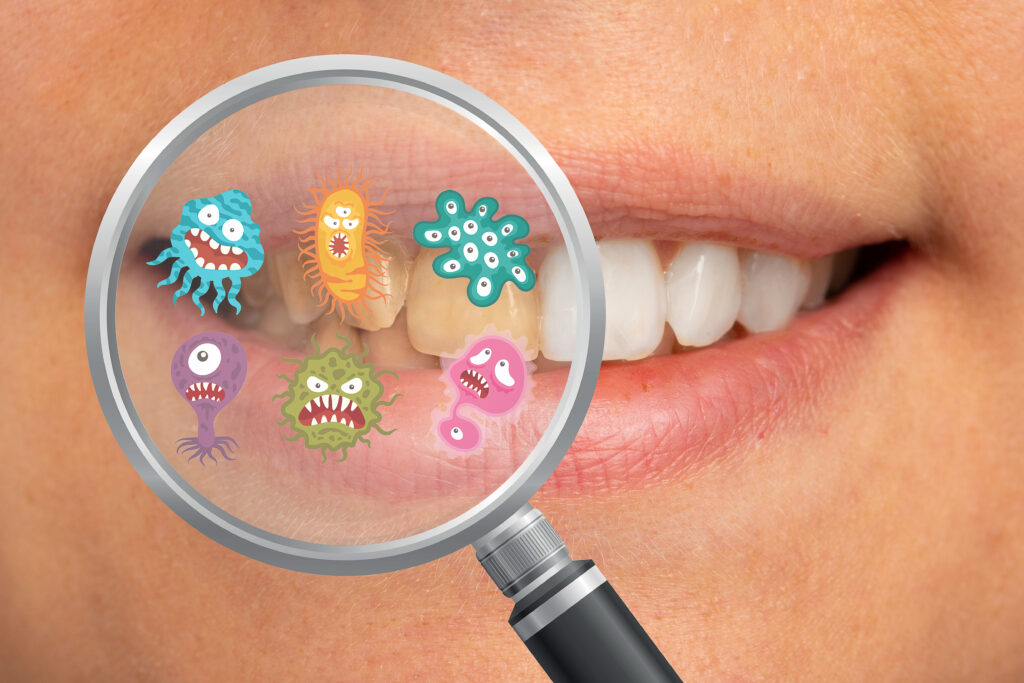
The mouth is a natural environment for many types of bacteria. Some of these bacteria are beneficial, but others thrive on the foods and drinks consumed throughout the day, particularly sugars and starches. When these carbohydrates are left on the teeth, the bacteria feed on them and produce a sticky, colorless film called dental plaque. Plaque continuously forms over the surfaces of the teeth and along the gumline. If plaque is not removed consistently through daily brushing and flossing, it can accumulate and harden into a substance called tartar, which provides a shield for bacteria to continue growing.
Enamel Demineralization and Acid Attacks
As the bacteria within plaque consume sugars from food and beverages, they produce acid as a byproduct. This acid forms a direct attack on the outer layer of the tooth, known as the enamel. Enamel is the hardest tissue in the human body, but it is highly vulnerable to prolonged acid exposure. The acids slowly strip away essential minerals from the enamel surface, a process called demineralization. Over time, this recurring mineral loss weakens the protective shell of the tooth, causing the enamel to erode and forming the very early stages of a cavity.
Progression into the Inner Layers
If the demineralization process continues unchecked, the enamel eventually breaks down completely, resulting in a physical hole in the tooth surface. At this stage, the decay can progress into the next layer of the tooth, called the dentin. Dentin is softer than enamel and contains tiny tubes that communicate directly with the tooth nerve, which can lead to early signs of temperature sensitivity or mild discomfort when eating sweet foods. If left completely unaddressed, the decay can travel even deeper into the pulp, where the blood vessels and nerves reside, potentially causing more significant discomfort or requiring complex restorative care.
At Dr. Surya & Associates in Burlington, the team provides patient-friendly preventive care and clear guidance to help you maintain a strong, healthy smile. If you have noticed tooth sensitivity, want to learn more about decay prevention, or need support maintaining your oral health, you can schedule your next visit with our team today.